
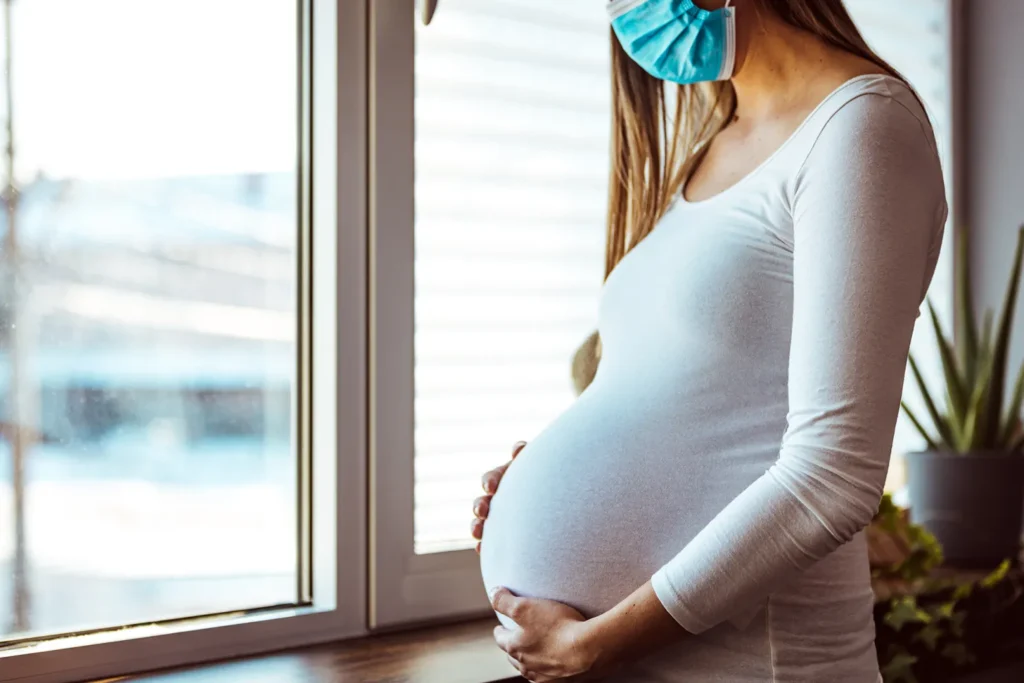
Pregnancy is an important time for both maternal and infant health. It can also be a period when stress, financial strain, isolation, and changes in healthcare access have a major impact on well-being.
A new Rutgers study published in Drug and Alcohol Dependence Reports examined how substance use during pregnancy changed in New Jersey following the declaration of the COVID-19 public health emergency. The study was conducted by Rutgers researchers Abigail Gulchin, Jiawen Zhao, Megan E. Cooke, Kuo Sally I-Chun, and Jessica E. Salvatore.
Using anonymized statewide New Jersey birth certificate data from January 2016 through June 2021, the researchers analyzed records from 566,568 births to look at trends in reported alcohol, tobacco, and other substance use during pregnancy.
The study found that reported alcohol and other substance use during pregnancy increased after the COVID-19 public health emergency was declared, while tobacco use continued to decline. Based on model estimates, these changes corresponded to approximately 312 additional babies exposed to prenatal alcohol use and 155 additional babies exposed to other substance use during the year following the declaration, compared with what would have been expected if pre-pandemic trends had continued. At the same time, the continued decline in tobacco use corresponded to approximately 221 fewer babies exposed to prenatal tobacco use.
The findings suggest that major disruptions, such as the COVID-19 pandemic, may influence health behaviors during pregnancy in different ways. Pandemic-related stress, social isolation, financial challenges, and disruptions to healthcare access may have contributed to increases in alcohol and other substance use. The continued decline in tobacco use may reflect broader public health trends, tobacco prevention policies, and prenatal care efforts focused on smoking cessation.
The study also found that these changes were not the same across all groups. Increases in alcohol and other substance use were more pronounced among unemployed mothers, pointing to the role that economic stress and social determinants of health may play in substance use risk during pregnancy.
One strength of the study is that it used population-level data from across New Jersey, rather than information from a single hospital or healthcare system. This allowed researchers to examine trends across a broad and diverse population, including urban, suburban, and rural communities.
The authors note that the findings should be interpreted with some caution. Substance use during pregnancy is often underreported, and the study could not determine whether the COVID-19 public health emergency directly caused the changes observed. The data also grouped several substances, including cannabis, cocaine, heroin, and methamphetamines, into one “other substance use” category.
Even with these limitations, the findings highlight the importance of integrating substance use screening, prevention, and treatment into prenatal care. They also point to the need for targeted supports for pregnant individuals who may be experiencing financial stress, social isolation, mental health challenges, or barriers to healthcare.
For New Jersey, this study offers important evidence that public health emergencies can affect prenatal substance use patterns. Understanding these shifts can help healthcare providers, researchers, and public health leaders respond more quickly and effectively to support pregnant individuals, families, and infants.
By: Ricki Arvesen
Date: July 10, 2026